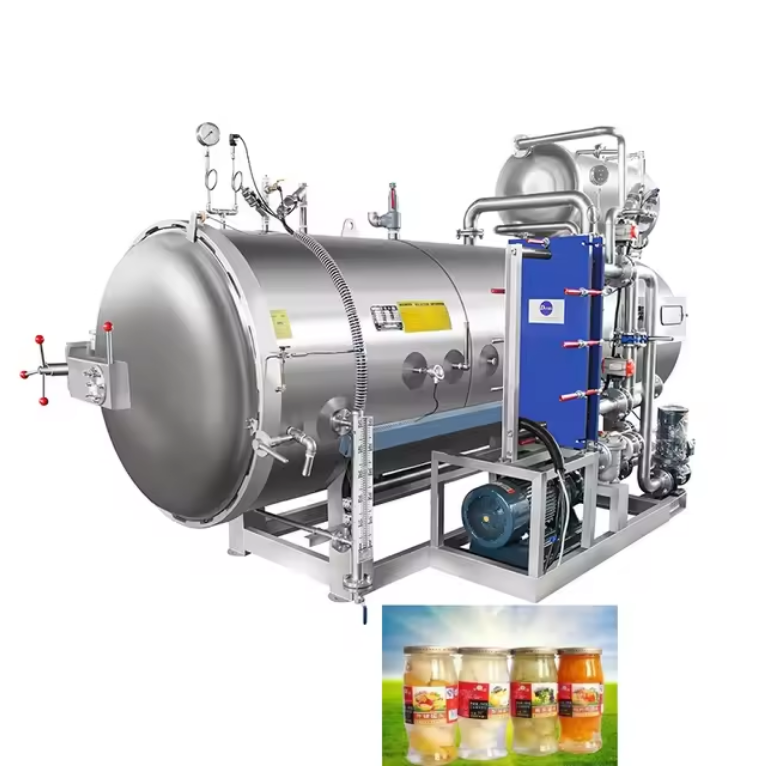
Glass Bottle Sterilizing Machine
The sterilizer adopts advanced high-temperature and high-pressure technology or a combination of multiple sterilization methods. It can effectively kill all types of microorganisms to ensure products meet sterility standards and significantly extend shelf life. The vessel is made of high-quality materials, featuring sturdiness, durability, safety and reliability. Equipped with precise temperature and pressure control systems as well as multiple safety protection devices, it is widely used for sterilization in the food, pharmaceutical and other industries.
PRODUCT DESCRIPTION
Description
Glass Bottle Sterilizer is used for pharmaceutical & food industry sterilization. Tunnel type design, GMP compliant, reliable sterilization of spores and microbes. Small footprint to save workshop space, continuous automatic running, easy maintenance. Customizable capacity available.
Our glass bottle sterilizer adopts mature tunnel sterilization technology, it effectively eliminates microorganisms and spores to meet GMP requirements. Featuring a small footprint, the machine saves valuable workshop space while maintaining stable continuous operation.
It supports automatic feeding, sterilizing and cooling of glass bottles, with easy operation and convenient maintenance. Customized specifications are available to match different production capacities. Ideal for sterile filling of oral liquids, injections and other products.
Application
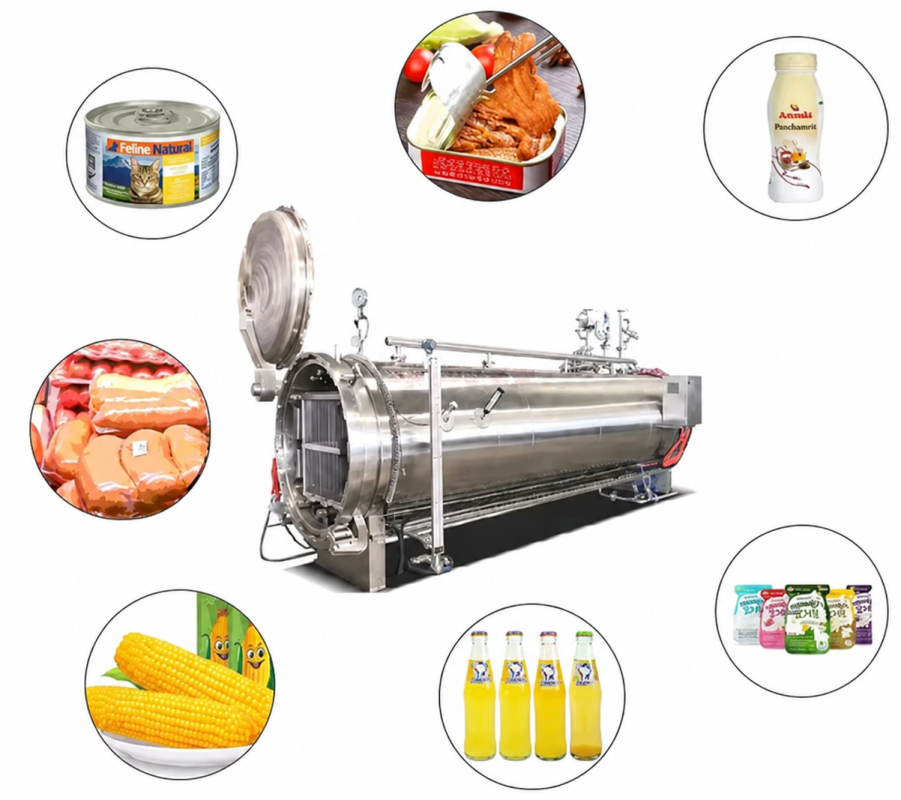
Water Bath Sterilizing Kettle is Suitable for sterilizing meat products, dairy products, egg products, bean products, canned fruits, canned vegetables and drinks.
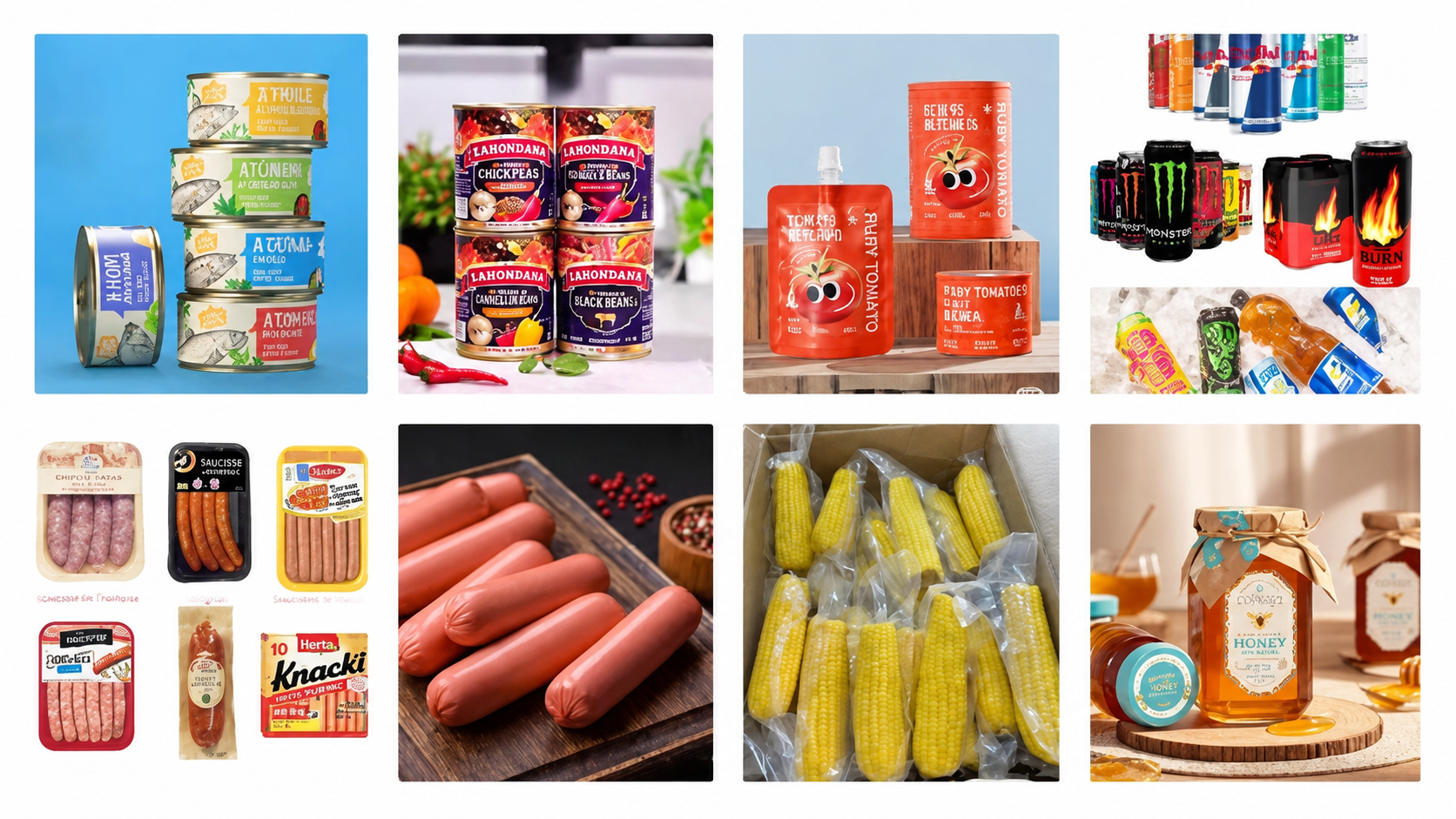
1. Water Bath Sterilizing Kettle is suitable for canned products, drinks, milk, brine products, etc.
2. Tin cans or solid cans resistant to steaming and boiling soft packaging.
3. Products are treated with high temperature sterilization to meet the requirements of sterility within the shelf life.
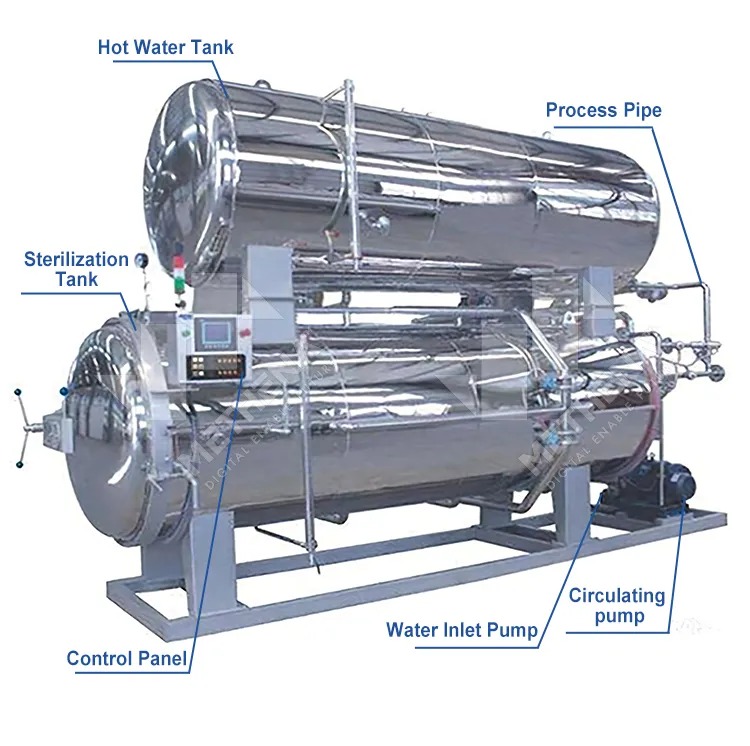
Structure
Features
Features of Laboratory Testing Autoclave:
1.Uniform temperature distribution:In the process of heating and sterilization, the water is continuously sprayed from 3 sides nozzles adopted high speed spraying, so that the temperature in the autoclave is kept stable and the sterilization effect is improved.
2. Direct heating and indirect cooling, and prevent the second pollution. Sterilizing and cooling processes use the same water. Circulating water is directly heated by steam diffusion tube in the heating process. Under 0.5MPa pressure, it only takes 6-12 min to rise the temperature from 20 DEG to 121 DEG. Continuous cooling by heating exchanger is isolated from the products,preventing the second pollution in the cooling effectively.
3. Full-automatic control system: a. Siemens Touch Screen b. No-paper recorder c. Imported Automatic Valves d. Many sterilization techniques in memory for your choice. At most could save 30 sterilization formula.
4. Pressure control system independently, suitable for gas packaging sterilization: Pressure control error is within 0.005Mpa. Pressure control system can correct and balance the pressure inside of the pot and packing automatically, not damaging the packing or the contents.
5. Heating and cooling in stages can reduce the temperature difference between the surface and the center of the food in protection of fragile food and glass bottles.
Parameters
Machine | Parameter |
Sterilization tank(below) Inner diameter*length | 500 mm *800mm | 700 mm*1200mm | 900 mm*1800mm |
Hot water tank (top)Inner diameter*length | 500 mm*800mm | 700 mm*1200mm | 900 mm*1800mm |
Design Pressure(Mpa) | 0.35 | 0.44 | 0.44 |
Max Working Pressure(Mpa) | 0.30 | 0.44 | 0.44 |
Max Working Temperature | 145ºC |
Electric heating power | 18kw*2 | 36kw*2 | 36kw*2 |
Sterilization tray | 3pcs | 3pcs | 3-4pcs |
Sterilization car | 1 | 1 | 2 |
Voltage | 380V |
Material | SUS304 |
Advantages
1. High-efficiency sterilization: With high temperature and high pressure, it can quickly and thoroughly eliminate bacteria, spores, molds and other microorganisms. It greatly reduces the risk of product deterioration caused by microbial contamination and effectively extends the shelf life of products.
2. Precise process control: Key parameters including temperature, pressure and time can be accurately controlled. It guarantees sterilization performance and allows adjustment of temperature, pressure, time and other critical parameters according to characteristics of different products.
3. Wide applicability: Suitable for various types of products, such as meat products, soybean products, liquid beverages, liquid condiments, as well as semi-solid jams, jellies, etc. It is compatible with common packaging materials including metal cans, glass bottles and plastics, meeting diversified production requirements of different industries.
4. Safe, stable and reliable: Equipped with multiple safety protection mechanisms such as pressure relief safety valves, temperature sensors and alarm devices. It can respond promptly to abnormalities to prevent hazards like overpressure and over-temperature. Manufactured with high-quality materials and exquisite craftsmanship, the advanced technology ensures equipment durability and stability, lowers failure rate, and guarantees continuous production and operator safety.
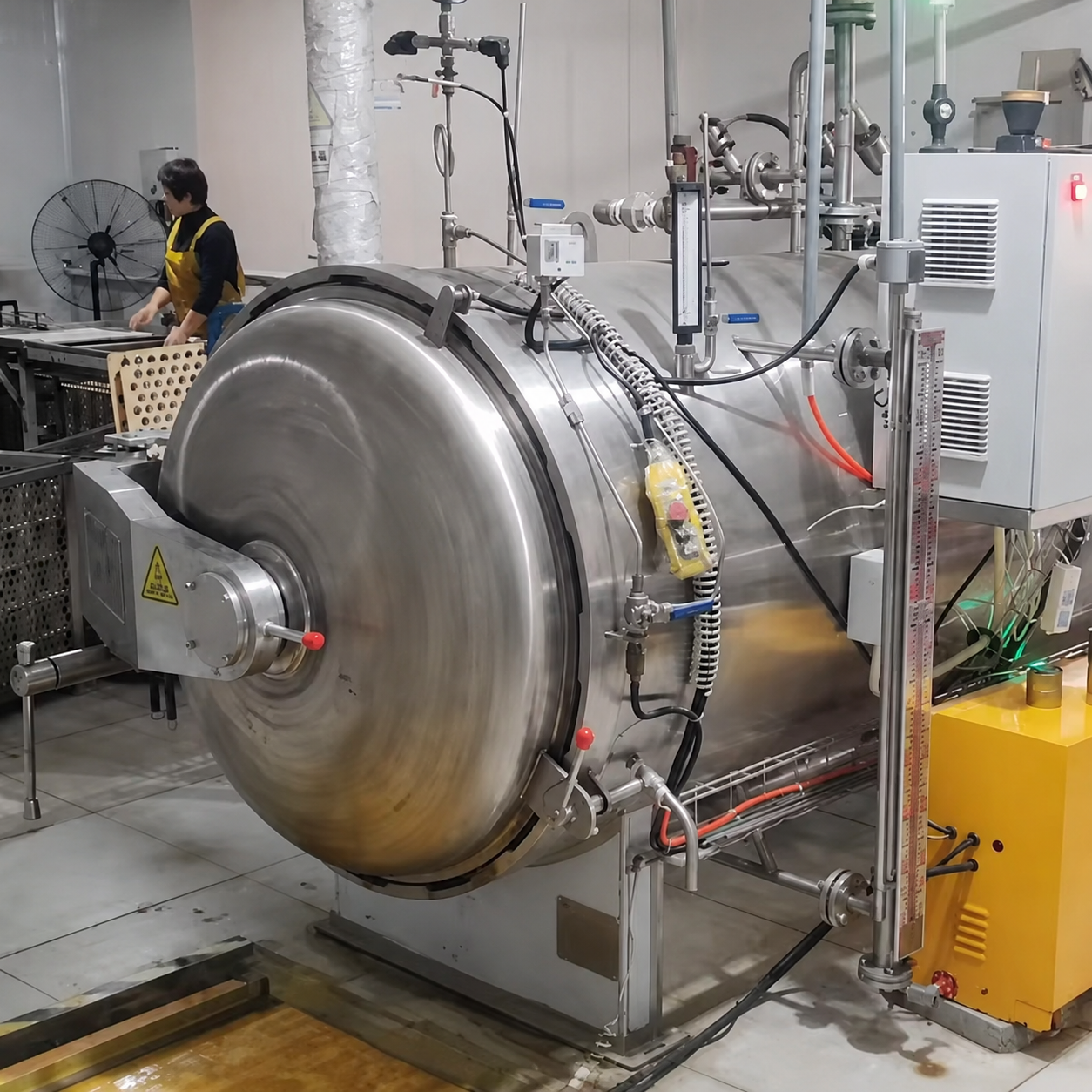
FAQ
1. What if there is something wrong with the machine within one and half year?
We have two ways to solve this problem: a. a.Phone call guidance to confirm the problem.
b. We will take video to show 'how to solve the problem'. All the problem can be solved by video guidance.
2.What if the PLC is suddenly broken down?
We use German Brand PLC, it is quite stable brand. If really broken down, what we usually do is:
1) We suggest customer to buy one more for storage. The computer we will also upload the program.
2)Once it is broken down, then take replace the new one, the broken one, send back to us, we re-do the system, and send it back to you again.
3.What is the difference between retort and autoclaving?
Both words refer to the process of sterilizing a given item.
This item could be medical instruments, a sealed container of food, or anything else.So there is no difference between these two terms. They are two different ways to say the same thing.
4.Is retort machine advisable to replace autoclave in microbiology laboratory?
A retort is an autoclave. The difference here is that our retorts can perform various processes i.e. water spray,
water immersion and steam-air in addition to saturated steam with or without horizontal or rotational agitation.
Glass bottle sterilizing machine
Market Trends of glass bottle sterilizing machine
The global glass bottle sterilizing machine market is experiencing steady growth, driven by rising demand for safe, hygienic packaging in food, beverage, and pharmaceutical industries. According to recent industry analysis, the market is projected to grow at a CAGR of 6.8% from 2024 to 2030, reaching a valuation of over $2.1 billion by 2030.
Market Overview
The market remains robust, with increasing adoption across emerging economies and stringent hygiene regulations pushing manufacturers toward automated sterilization systems. Demand is particularly strong in regions with expanding food processing sectors.
Key Industry Trends
· Automation Integration: Increasing deployment of PLC-controlled, fully automatic sterilization lines enhances throughput and reduces human error.
· Energy Efficiency Focus: Buyers prioritize machines with low power consumption and heat recovery systems to cut operational costs.
· Hybrid Sterilization Methods: Combination systems (e.g., steam + spray) are gaining traction for versatility across product types.
Major Market Drivers & Challenges
· Drivers: Stringent food safety regulations (e.g., FDA, EU HACCP), consumer preference for preservative-free products, and rise in private label manufacturing.
· Challenges: High initial investment and complex maintenance requirements deter small-scale buyers.
Technology Advancement Impact
Innovations such as IoT-enabled monitoring, real-time temperature control, and predictive maintenance software significantly improve process reliability and reduce downtime—critical for B2B procurement decisions.
How To Choose glass bottle sterilizing machine?
Selecting the right sterilizing machine requires aligning technical capabilities with business needs. A data-driven approach ensures optimal ROI, compliance, and scalability.
Specifications, Standards & Compliance
· Must meet ISO 13485 (medical devices) or FDA 21 CFR Part 11 (food/pharma) standards.
· Look for CE certification and SUS304/316L Stainless steel construction for corrosion resistance.
· Verify compliance with local sanitation codes in target markets.
· Ensure PLC-based automation for traceability and audit readiness.
Performance & Quality Validation
· Minimum 99.99% microbial reduction rate under standard test conditions.
· Validate performance via third-party testing reports or on-site trials.
· Confirm consistent temperature uniformity within ±1°C across the chamber.
· Evaluate cycle time efficiency (e.g., 3–5 minutes per batch for small units).
Cost-Efficiency Analysis
· Calculate Total Cost of Ownership (TCO) over 5 years: includes purchase price, energy use, maintenance, and labor.
· Compare energy consumption rates (kWh/unit) across models.
· Prioritize suppliers offering modular designs for future upgrades.
· Consider bulk pricing discounts (e.g., 5%–10% off for 3+ units).
Custom Query-Specific Criteria
· Operational Safety Compliance: Machines must include emergency stop systems, pressure relief valves, and interlock mechanisms to prevent accidents during operation.
· Cold Chain Integrity: For temperature-sensitive products like juices or dairy, ensure the machine maintains stable internal temperatures during sterilization cycles.
What Are the Best glass bottle sterilizing machine?
Based on product availability, pricing, and supplier credibility.
Summary Analysis
The best glass bottle sterilizing machines balance cost, capacity, and reliability—key priorities for mid-sized to enterprise buyers. Suppliers like Aenlute Brewing Technology Co., Ltd. and Dingfeng Brewing equipment Co., Ltd. stand out due to their 5.0 review scores and comprehensive feature sets.
FAQs
What are the key technical specifications to compare for glass bottle sterilizing machine?
Look for chamber size, temperature range (typically 100–135°C), pressure rating (up to 2 bar), cycle time, and material compatibility. Also assess automation level (manual vs. PLC-controlled) and energy efficiency.
How do steam injection and spray cooling impact glass bottle sterilizing machine performance?
Steam injection ensures rapid, uniform heating; spray cooling accelerates post-sterilization cooling, reducing thermal stress on glass. Combined systems improve throughput and product safety.
Which certifications are mandatory for glass bottle sterilizing machine in the EU?
Mandatory certifications include CE marking, ISO 13485 (for medical-grade use), and PED (Pressure Equipment Directive). Additional compliance may be required based on application.
What is the typical lead time for glass bottle sterilizing machine orders?
Lead times range from 4 to 12 weeks, depending on customization, supplier location, and order volume. Bulk or standard models typically ship faster.
Can glass bottle sterilizing machine prices be negotiated for bulk orders?
Yes. Suppliers often offer 5%–15% discounts for orders of 3 or more units. Larger volumes may also unlock extended warranties or free installation.
What is the average maintenance frequency for glass bottle sterilizing machine?
Recommended maintenance intervals are every 3–6 months, including cleaning of nozzles, inspection of seals, and calibration of sensors. Preventive servicing extends equipment life.
Do glass bottle sterilizing machine suppliers offer extended warranty options?
Yes. Many manufacturers provide 1–3 year extended warranties for an additional fee, covering parts and labor. Some include remote monitoring support.
 +86 29-87031531



 Telefon